Currently Empty: ₹0.00
The best teethers for babies in India are made from BPA-free, food-grade silicone, are easy for small hands to grip, and offer varied textures to soothe sore gums. Most babies can start using a teether from 3–4 months, when early teething symptoms appear. Below is a guide to the main types and what to look for.
Types of baby teethers
| Type | Best for | Material | Key benefit |
|---|---|---|---|
| Silicone ring teether | 3–6 months (early teething) | BPA-free silicone | Easy to grip; can be chilled for extra relief |
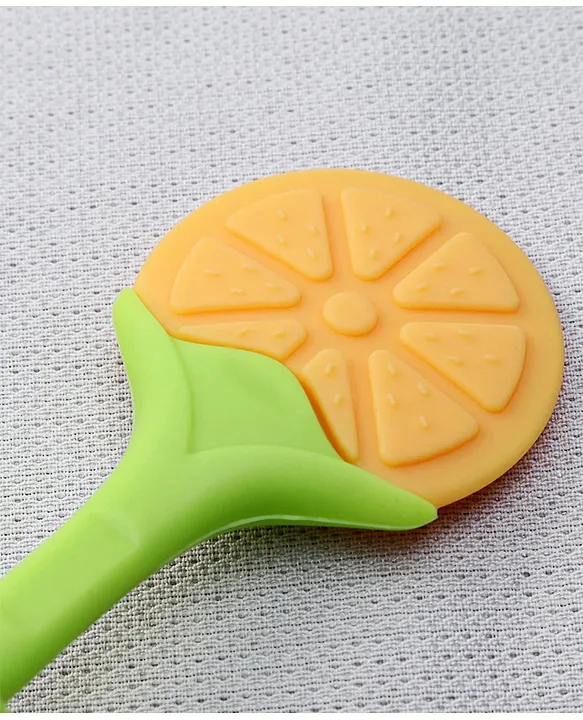
| Fruit-shape teether | 4–8 months | Silicone | Textured surface mimics fruit; varied chewing zones |
| Teether + rattle combo | 4–10 months | Silicone + ABS plastic | Doubles as a sensory toy; holds baby’s attention longer |
| Fruit feeder / nibbler | 6+ months (with solid foods) | Silicone mesh pouch | Lets baby taste real fruit while soothing gums |
What to check before buying
- BPA-free, phthalate-free: Non-negotiable for anything going in a baby’s mouth.
- One-piece or firmly sealed: No small parts that could detach and become a choking hazard.
- Easy to sterilise: Boil-safe or dishwasher-safe materials save daily hassle.
- Right size for the age: Too large and the baby can’t hold it; too small and it’s a choking risk.
Cooling trick for extra relief
Place a silicone teether in the refrigerator (not the freezer) for 15–20 minutes. The gentle cold numbs sore gums and gives noticeable relief during a teething flare-up.
Browse NeonateCare’s full range: Teethers & Soothers · Feeding & Nursing
Every baby teethes on their own timeline. If teething pain seems severe or your baby has a fever, consult your paediatrician.